British Curriculum: Everything Parents Need to Know in 2026
Deciding on a primary school for your child is probably one of the most important decisions you as a family will have to make together. Here in Abu Dhabi, most families would prefer to use the British curriculum because of its straightforward structure, good academic standards, and its general recognition by many other countries as having a good performance level.
Nevertheless, it can still seem very daunting for you to select the correct British School for your child if you don’t understand some very basic principles about the British curriculum.
As such, this guide has been written to give you a brief summary of how the British Curriculum operates from the early years through to the A levels in 2026, and also assists you in making an informed and confident decision as to which British School to choose for your children.
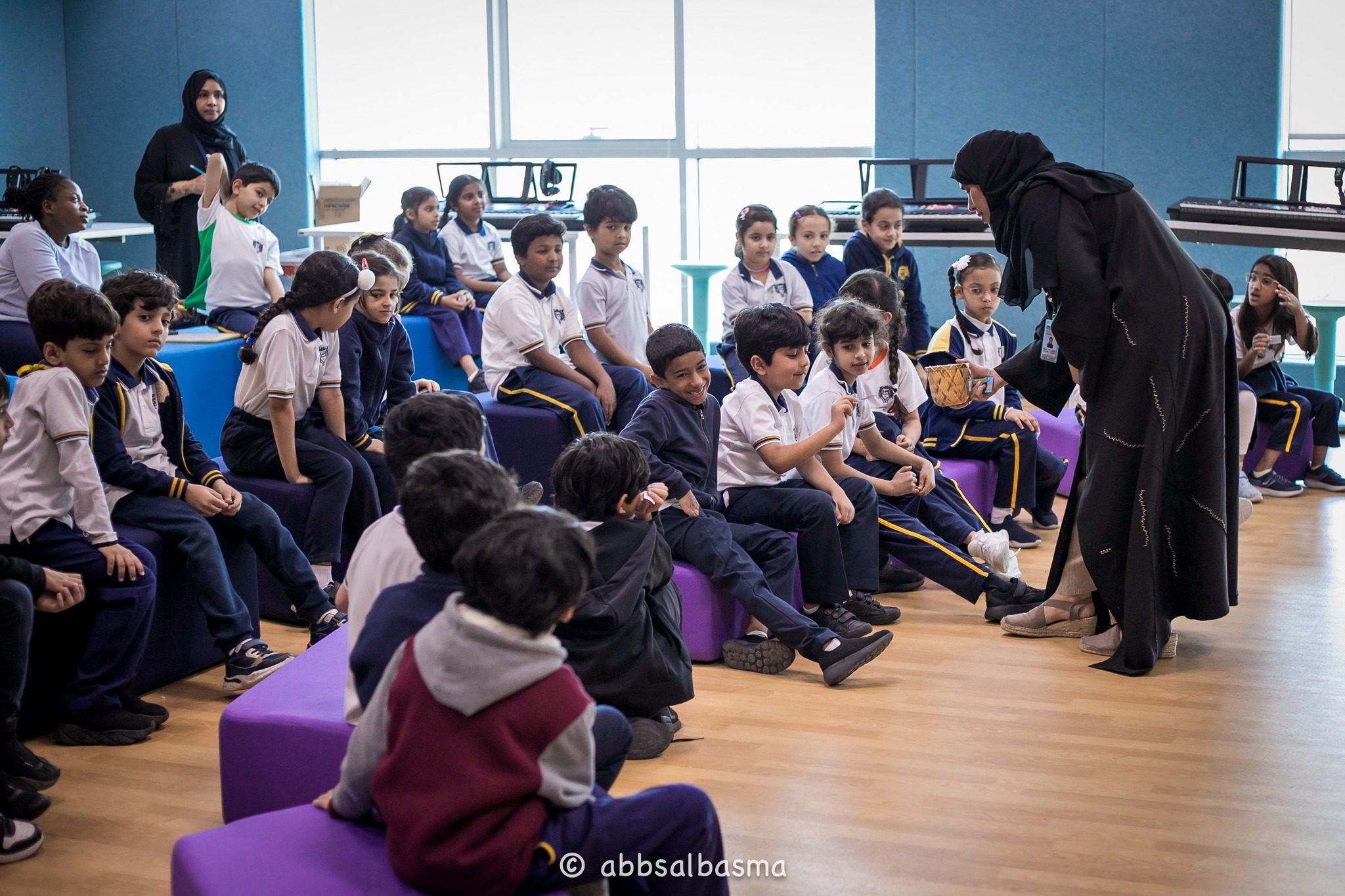
The guide will also give examples of how schools like Al Basma British School provide students with a balanced and rewarding educational experience from an academic point of view.
What is the British Curriculum?
The British curriculum, or English National Curriculum, is designed for students aged 3 to 18 and is widely used in international schools. It focuses on building strong foundations in English, mathematics, and science before expanding into a wider range of subjects.
In a British Curriculum School in Abu Dhabi, this framework is combined with local subjects such as Arabic, Islamic studies, and UAE social studies, ensuring a well-rounded education.
In 2026, there is a stronger focus on digital skills, communication, and practical application of knowledge.
The aim is to prepare students not only for exams, but for university and future careers.
Key Stages and Structure of the British Curriculum
The British curriculum is divided into different “Key Stages,” each representing a phase in a child’s educational journey. This structured approach ensures age-appropriate learning and smooth academic progression.
Early Years Foundation Stage (EYFS)
Age group: 3 – 5 years
This stage focuses on early childhood development through play-based learning. Instead of formal exams, children learn through activities that build essential life and learning skills.
Subjects include:
- Communication and language
- Literacy and mathematics
- Understanding the world
- Personal, social, and emotional development
- Physical development
- Creative and expressive arts
The aim here is to develop curiosity, confidence, and social skills in a nurturing environment.
Key Stage 1 (KS1) and Key Stage 2 (KS2)
Age group:
- KS1: 5 – 7 years
- KS2: 7 – 11 years
At this stage, students begin more structured learning while still maintaining an engaging classroom environment.
Core subjects:
- English
- Mathematics
- Science
Additional subjects:
- Humanities
- Computing
- Arts
- Physical education
- Arabic, Islamic education, and UAE moral education
Students are introduced to a wider range of subjects, helping them discover their interests while building strong academic foundations.
Key Stage 3 (KS3) and Key Stage 4 (GCSE)
Age group:
- KS3: 11 – 14 years
- KS4: 14 -16 years
These stages prepare students for more advanced academic challenges.
- KS3 builds a strong foundation across multiple subjects.
- KS4 focuses on the General Certificate of Secondary Education (GCSE), where students begin to specialize in subjects based on their interests and future goals.
Students are assessed through a mix of coursework and final examinations, helping them develop both knowledge and exam skills.
Key Stage 5 (A-Levels)
Age group: 16 -18 years
This is the final stage of the British curriculum, where students prepare for university and careers.
Students typically choose 3 – 4 subjects to study in depth under the A-level system. This flexibility allows them to focus on areas aligned with their career aspirations.
A-Levels are highly respected by universities worldwide and play a crucial role in university admissions.
Key Features of the British Curriculum
Strong academic framework
The curriculum follows a clear and consistent structure, ensuring students build knowledge step by step. It clearly defines learning goals at each stage, which helps both teachers and parents track progress effectively. This structured approach also reduces learning gaps and supports steady academic growth over time.
Emphasis on critical thinking and analytical skills
Students are encouraged to question, analyze, and solve problems rather than simply memorize information. Classroom activities often involve discussions, projects, and real-world problem solving. This helps students become confident thinkers who can apply their knowledge in practical situations.
Flexibility in subject choices (especially at A-Level)
At higher stages, students can tailor their education based on their interests and career goals. This allows them to focus deeply on subjects they are passionate about. It also helps students prepare more effectively for specific university courses and career paths.
Continuous assessment and final examinations
A balanced evaluation system includes both coursework and exams, helping students perform under different conditions. Regular assessments provide feedback that helps students improve consistently. Final exams ensure that students can demonstrate their overall understanding of subjects.
International recognition
British qualifications such as GCSEs and A-Levels are accepted by universities across the globe, making it ideal for internationally mobile families. This global acceptance gives students more flexibility when choosing where to study in the future. It also increases their chances of gaining admission to top universities worldwide.
Benefits of the British Curriculum for Students
Globally accepted qualifications
Students graduate with credentials that are recognized worldwide, opening doors to international opportunities. These qualifications are valued by both universities and employers across different countries. This makes it easier for students to pursue higher education or careers abroad.
Smooth pathway to top universities
The structured progression from GCSEs to A-Levels aligns well with university admission requirements. Students can build a strong academic profile over time. This clear pathway helps reduce stress and uncertainty during the university application process.
Focus on holistic development
The curriculum supports academic, social, and emotional growth, ensuring well-rounded development. Schools also encourage participation in activities that build teamwork and leadership skills. This helps students grow into confident and responsible individuals.
Development of independent learning skills
Students learn how to research, think independently, and manage their own studies, which are essential for higher education. They are encouraged to take responsibility for their learning from an early stage. This prepares them for the expectations of university life and beyond.
Balanced academic and extracurricular approach
Schools emphasize sports, arts, and other activities alongside academics, creating a more engaging learning experience. This balance helps students discover their talents beyond the classroom. It also supports mental well-being and reduces academic pressure.
How Do You Choose the Best British Schools in Abu Dhabi for Your Child?
Selecting the right school is about more than just academics. Parents should look at a combination of quality, environment, and long-term value to ensure the best fit for their child.
Accreditation and Reputation
Always check whether the school is officially recognized and regularly inspected by authorities such as the Knowledge and Human Development Authority. Ratings like “Outstanding” or “Very Good” can give a strong indication of overall performance. A well-rated school is more likely to maintain high teaching standards and consistent academic results. It also reflects transparency and accountability in how the school operates.
Teacher Quality & Staff
Qualified and experienced teachers are essential for delivering the British curriculum effectively. Look for schools with trained educators who understand the UK curriculum and use modern teaching methods. A strong teaching team can adapt lessons to suit different learning styles and student needs. Consistency in staff and low turnover also contribute to a stable learning environment.
Location and Convenience
Daily commute plays a significant role in a child’s routine and well-being. Choosing a school closer to home can reduce travel time and help maintain a better balance between studies and rest. Shorter commutes also allow children to participate more actively in extracurricular activities. Over time, this convenience can positively impact both academic performance and overall happiness.
Facilities and Environment
Modern facilities enhance the overall learning experience, but quality matters more than appearance. Prioritize schools with well-equipped classrooms, science labs, libraries, and sports facilities. A safe and supportive environment encourages students to explore and grow with confidence. Clean, organized, and resource-rich campuses also reflect the school’s commitment to education.
Extracurricular Activities
A well-rounded British school should offer a wide range of extracurricular activities such as sports, arts, music, and technology clubs. These activities help students develop skills beyond academics, including teamwork and leadership. Participation in such programs also boosts confidence and creativity. It ensures that children enjoy a balanced and engaging school life.
School Culture and Community
Every school has its own culture, which can greatly influence a child’s experience. Some schools focus on a large, diverse environment, while others offer a more close-knit, community feel. Parents should consider which setting suits their child’s personality and learning style. Strong communication between parents and the school is also a key indicator of a healthy school community.
Fee Structure
Understanding the full cost of education is important before making a decision. In addition to tuition fees, consider expenses such as transport, uniforms, books, and technology. Comparing fee structures across schools can help you find the best value for your investment. A higher fee does not always guarantee better quality, so it is important to evaluate what is included.
Conclusion
Families who want a quality educational system have traditionally chosen the British Curriculum to give their children an internationally recognised, structured education; therefore, they expect the British Curriculum to remain effective as it continues to develop beyond 2026, but maintain its strong academic traditions. Choosing a British Curriculum School within Abu Dhabi should be based on how well your student will be supported and motivated at this school.
Al Basma British School meets these criteria by providing quality academics, well-balanced student wellbeing, and a supportive sense of community. This makes Al Basma one of those many options for families looking for a reliable British Education.