British Curriculum vs Cambridge Curriculum: What’s the Real Difference?
Selecting a school requires parents to make several important decisions, one of which is the curriculum the school will be using. In Abu Dhabi, parents have the option of enrolling their children in one (or more) of many different types of International Education Programs; among these are the British Curriculum and the Cambridge Curriculum, which are two of the most frequently selected programs.
According to the latest reports published by various education organizations, the British Curriculum has historically been one of the most widely implemented and accepted international curricula in the world today. It has been taught in schools throughout the world for over fifty years, with more than 50,000 schools using this curriculum across more than 150 countries. Its strong academic foundation, internationally recognised qualifications, and clear paths of development are reason enough for families to choose to send their children to a school offering a British Curriculum.
Parents looking for a British Curriculum school in Abu Dhabi should learn the differences between the British education and Cambridge education systems so they can choose one that matches their child’s learning style, future objectives, and needs.
What Is the British Curriculum?
The British Curriculum is based on the National Curriculum of England and provides a structured educational framework from Early Years through to A-Levels. The framework for learning has been purposely developed to help develop knowledge, critical thinking skills, problem-solving abilities, and mastery of subject(s) through well-defined phases of learning.
The typical pathway for students can be set out as Early Years Foundation Stage (EYFS), Primary School, Key Stage 3, gcse’s (General Certificate of Secondary Education) in Key Stage 4, and A-Levels in Key Stage 5. This pathway provides students with a consistent and established progression route, which is recognised by universities and employers worldwide.
Parents of children attending a British Curriculum School in Abu Dhabi will often opt for this education system as it provides the right balance between academic rigour and personal development, thus providing students with the skills they need for their future educational pursuits and careers.
What Is the Cambridge Curriculum?
The Cambridge Curriculum is developed by Cambridge Assessment International Education (CAIE), part of the University of Cambridge.
Specifically for worldwide students, it features a flexible learning system adopted by schools throughout the world. This programme contains primary, lower secondary, upper secondary, and advanced stages of coursework; each stage awards many different types of credentials, including IGCSEs and A Levels.
The Cambridge Methodology focuses on inquiry-based learning that supports a student’s development of confidence, responsibility, reflection, innovation, and engagement through their experience in school.
British Curriculum vs Cambridge Curriculum: What Are the Key Differences?
| Area | British Curriculum | Cambridge Curriculum |
|---|---|---|
| Curriculum Structure | Follows the National Curriculum for England with a clearly defined progression through each Key Stage. | Provides a broader framework that schools can adapt to suit their student community and educational objectives. |
| Assessment Style | Students typically work towards GCSE qualifications before progressing to A-Levels. | Students usually study for IGCSE qualifications followed by International AS and A Levels, with multiple examination sessions available each year. |
| Subject Flexibility | Offers a structured pathway, particularly during the early secondary years, with carefully planned subject progression. | Provides greater flexibility, allowing students to select from a wider range of subject combinations based on their strengths and interests. |
| Teaching Methodology | Emphasises structured learning outcomes, clear progression benchmarks, and consistent academic development. | Encourages independent enquiry, research-based learning, and student-led exploration alongside academic achievement. |
| Global Focus | Internationally recognised while maintaining strong alignment with educational standards and expectations in the United Kingdom. | Designed specifically for international learners, offering a broader global perspective across many subject areas. |
How Can Parents Choose the Right Curriculum for Their Child?
Evaluate Learning Styles
Children learn in different ways. Some thrive within a structured educational framework, while others perform best when given greater flexibility and independence. Understanding your child’s preferred learning style can guide your decision.
Consider Future University Goals
Families planning for university education in the UK often appreciate the direct progression offered through the British Curriculum and A-Level pathway.
Both curricula are recognised by leading universities worldwide, but future study destinations may influence your choice.
Assess Curriculum Flexibility
Students with specialised academic interests may benefit from the broader subject choices often available through Cambridge programmes.
Those who prefer a more guided educational journey may find the British Curriculum particularly suitable.
Think About Relocation Plans
For families who relocate frequently, curriculum continuity can be an important consideration. Both systems have strong international recognition, making transitions between schools easier.
Examine the Teaching Approach
Visiting schools, meeting teachers, and understanding classroom practices can provide valuable insight into how each curriculum is delivered in practice.
Which Curriculum Is Better?
Because every child is different and has their own individual challenges, desires, and ways they prefer to learn, there are various perspectives about this topic.
The Cambridge International curriculum is adaptable and provides many different options for individuals to achieve a successful education while also providing students with an educational experience that is unique to them based on their personal choices.
On the other hand, the British curriculum is usually respected for its clarity of structure and the fact that it always builds on prior experience with a long history of academic standards held constant throughout the years.
Developing self-esteem and knowledge through the slightly varied order of lessons as well as through the use of different types of assessments at every level forms the basis of the shared understanding between the two systems.
The combination of academic achievement, valid credentials, and a clearly defined pathway through each level of education offered by the British system makes it a particularly appealing choice for many families looking for an IB School in Abu Dhabi.
Final Thoughts
University and beyond can be achieved through either the British or Cambridge Curriculum; however, there is an individual factor that will play into your decision-making on which path is best suited for your child’s needs, your child’s learning style, and what your child hopes to achieve in life after school has ended.
If you are a parent who is interested in finding a British Curriculum school for your child in Abu Dhabi, make sure you evaluate the whole picture, including the curriculum, how they deliver the curriculum, what kind of support is available for children, what the learning environment looks like, and how they value children’s health and well-being.
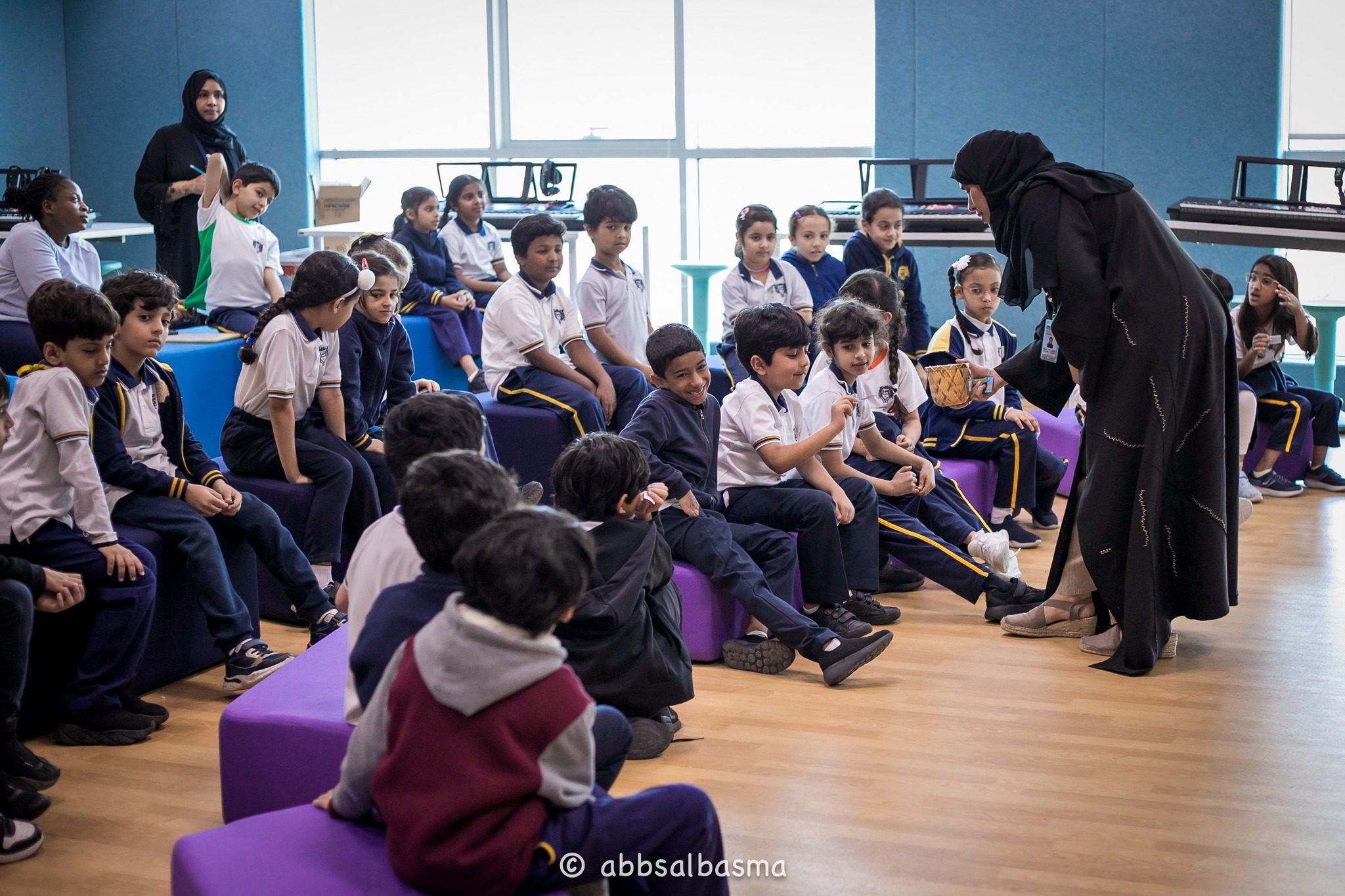
The British National Curriculum is taught at Al Basma British School, and children will have opportunities to learn and develop in an environment where respect for both academic achievement and personal learning is highly valued within the community. The children also benefit from an environment that provides innovative learning opportunities and encourages students to stay active.
Through a strong educational foundation with a nurturing learning environment, Al Basma British School prepares students with the confidence and skills required for their future above and beyond what most other schools provide.
If you would like more information on how we can help your child with their educational journey, please contact our admissions staff today.